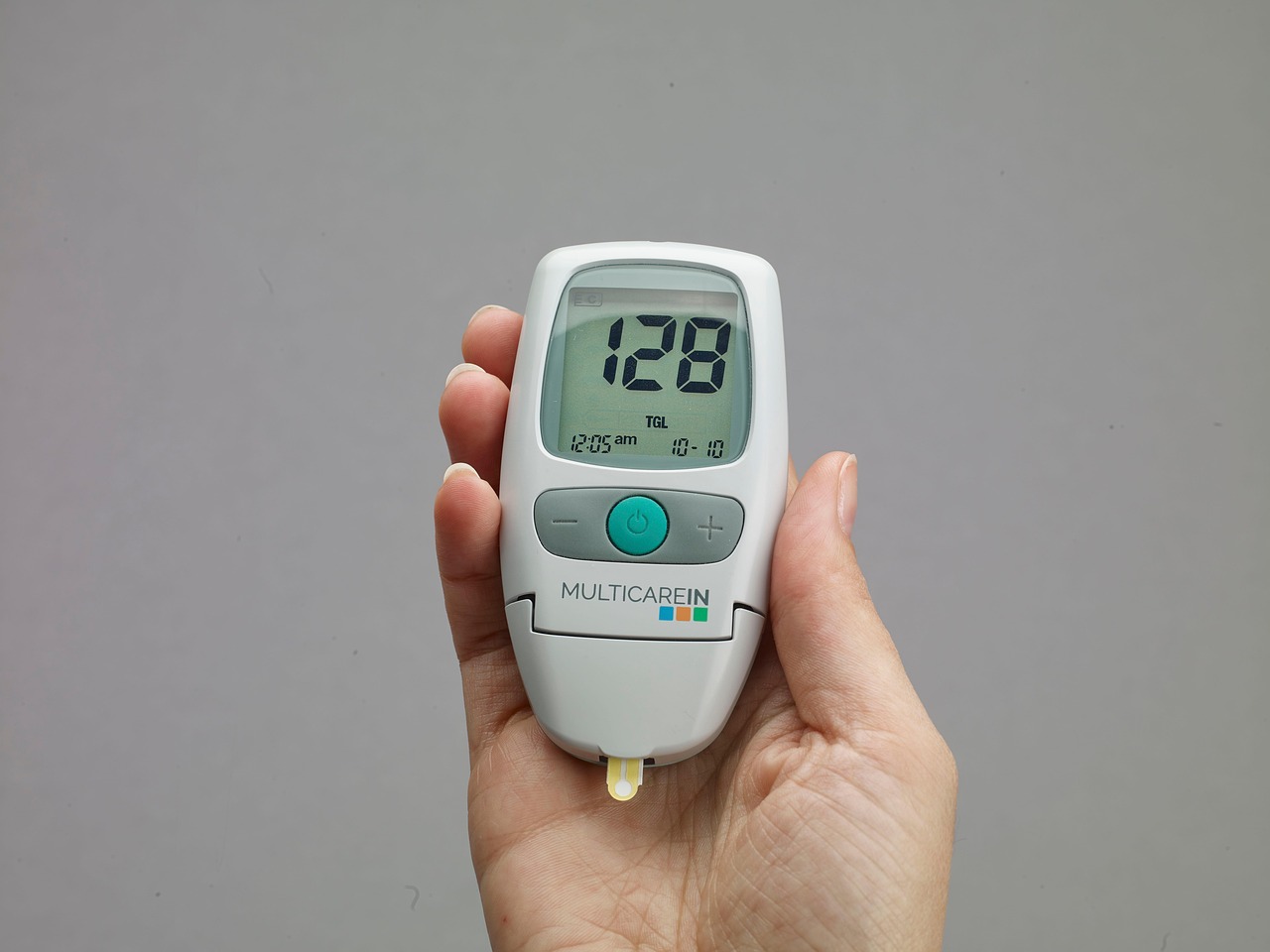
A Complete Guide to Buying an At-Home Cholesterol Test Kit
Maintaining healthy cholesterol levels is a fundamental aspect of cardiovascular health. Elevated cholesterol can increase the risk of heart disease, stroke, and other serious health conditions. Traditionally, checking cholesterol levels requires visiting a healthcare provider for blood tests, but recent advancements have made it possible to assess cholesterol conveniently at home. At-home cholesterol test kits have gained popularity among health-conscious individuals seeking quick, affordable, and private ways to monitor their heart health. This guide provides comprehensive information on choosing and using an at-home cholesterol test kit effectively.
Why Consider an At-Home Cholesterol Test Kit?
Monitoring cholesterol levels is crucial for early detection of cardiovascular risk factors. While routine blood tests at clinics are the gold standard, they may not always be accessible or convenient for everyone. At-home test kits offer several benefits:
- Convenience: Test yourself at any time and place without scheduling doctor visits.
- Cost-Effectiveness: Many kits are affordable compared to lab tests.
- Privacy: Maintain confidentiality and avoid potential discomfort.
- Regular Monitoring: Facilitates frequent testing to track trends and manage health proactively.
- Early Detection: Helps identify issues early, prompting timely medical consultation.
Types of At-Home Cholesterol Test Kits
There are primarily two types of at-home cholesterol testing methods:
1. Fingerstick Blood Test Kits
These kits involve pricking your finger to obtain a small blood sample, which is then applied to a test strip or device. The device analyzes the sample to measure total cholesterol, LDL (bad cholesterol), HDL (good cholesterol), and sometimes triglycerides.
Advantages:
- Accurate and reliable if used correctly.
- Widely available and well-established.
- Portable and easy to use.
Limitations:
- Slightly invasive due to finger prick.
- Requires proper technique for accurate results.
2. Urine or Saliva-Based Test Kits
Less common, these kits analyze urine or saliva samples to estimate cholesterol levels. However, they tend to be less accurate and are generally used for screening or general health assessments rather than diagnostic purposes.
Advantages:
- Non-invasive and painless.
- Easy for children and sensitive individuals.
Limitations:
- Less accurate and not suitable for detailed lipid profiling.
- Not typically recommended for precise cholesterol measurement.
For comprehensive and reliable results, fingerstick blood test kits are generally preferred for at-home cholesterol testing.
Factors to Consider When Choosing an At-Home Cholesterol Test Kit
To select the most suitable product, consider the following essential factors:
1. Accuracy and Credibility
- Look for kits approved or validated by reputable health authorities such as the FDA (U.S. Food and Drug Administration) or equivalent agencies.
- Check for clinical validation studies or certifications that confirm the device’s reliability.
2. Ease of Use
- Choose kits with clear instructions and simple procedures.
- Opt for devices with user-friendly interfaces and quick results.
- Some kits come with pre-measured strips and lancets, simplifying the process.
3. Comprehensive Testing
- Determine whether the kit measures total cholesterol, LDL, HDL, triglycerides, or all of these.
- For a complete cardiovascular risk assessment, a kit offering multiple lipid parameters is preferable.
4. Result Interpretation and Connectivity
- Some devices provide digital readouts, while others connect to smartphone apps for tracking.
- Apps can help you monitor trends over time, set reminders, and share results with healthcare providers.
5. Cost and Consumables
- Consider the initial cost of the kit, as well as ongoing expenses for test strips, lancets, and calibration.
- Compare prices across brands and check the availability of replacement supplies.
6. Speed and Convenience
- Results are typically available within a few minutes.
- Some kits include features like automatic data storage or Bluetooth connectivity.
7. Customer Reviews and Support
- Read user reviews to gauge real-world performance.
- Ensure the manufacturer provides customer support, troubleshooting guides, and warranties.
Top Brands and Recommended Products
Several reputable brands manufacture reliable at-home cholesterol test kits. Here are some popular options:
- CardioChek: Offers portable devices capable of measuring total cholesterol, HDL, LDL, triglycerides, and blood glucose. Approved by FDA and widely used by health professionals.
- EverlyWell Cholesterol Test: An FDA-authorized kit that measures total cholesterol and other lipids. Connects to a mobile app for easy tracking.
- LetsGetChecked: Provides a comprehensive lipid profile, including cholesterol, triglycerides, and more. Includes professional lab analysis.
- AccuMed: Offers affordable fingerstick cholesterol meters with user-friendly interfaces.
How to Use an At-Home Cholesterol Test Kit Properly
To ensure accurate and reliable results, follow these steps:
- Read Instructions Carefully: Each kit has specific procedures—adhere to them diligently.
- Prepare the Testing Area: Wash your hands thoroughly with soap and warm water to remove oils or dirt.
- Use the Provided Lancet: Prick your finger with the lancet to obtain a blood drop.
- Apply Blood Sample: Place the blood on the test strip or device as instructed.
- Wait for Results: Most tests provide results within 3-5 minutes.
- Record and Interpret Results: Use accompanying charts or apps to understand your lipid levels.
- Clean Up: Dispose of lancets and test strips safely, and clean the device if required.
When to Consult a Healthcare Professional
While at-home cholesterol testing is convenient, it does not replace professional medical advice. Consult your healthcare provider if:
- Your test results indicate high cholesterol.
- You experience symptoms of cardiovascular issues.
- You are over 20 years old and have risk factors such as obesity, smoking, or family history.
- You need comprehensive lipid profiling or personalized treatment plans.
Regular testing and professional evaluations are essential for effective management of cholesterol and overall heart health.
Limitations and Precautions
- Accuracy Variability: Results can vary based on user technique, device calibration, and sample quality.
- Not a Diagnostic Tool: Home tests are screening tools; abnormal results should be confirmed with lab tests.
- Proper Disposal: Dispose of lancets and test strips safely to prevent injury or contamination.
- Follow Instructions: Incorrect use can lead to inaccurate readings and misinterpretation.
Final Thoughts
An at-home cholesterol test kit is a valuable tool for proactive health management, enabling you to monitor your lipid levels conveniently and regularly. Selecting a reliable, easy-to-use kit tailored to your needs can help you stay informed about your cardiovascular health, facilitate early detection of issues, and motivate lifestyle changes. Remember, these kits are most effective when used in conjunction with professional medical advice and routine health check-ups.
By staying vigilant about your cholesterol levels, you can take meaningful steps toward reducing your risk of heart disease and improving your overall well-being.